William Cranch Bond was born on September 9th, 1789 in Portland Maine. His father was a clockmaker, Bond built his first clock on his own when he was 15. A lot of his knowledge was self-taught. He had an interest in engineering, which helped him take over the family clock-making business after his father.
In 1806, Bond witnessed a solar eclipse. This sparked his passion for astronomy. Years later when he built his first house, Bond was sure to include an observatory featuring a skylight for astronomical observations. Over the course of his life, Bond identified many new comets. In 1839 as a reward for his discoveries, he was the first to be given the title of "Astronomical Observer" at Harvard College.
8 years later, he became the director of the Harvard Observatory. He was also the first American to be a part of Britains Royal Astronomical Society.
During his time in the Harvard Observatory, Bond observed sunspots, Saturn, and the Orion Nebula M42. His son, George Phillips Bond, aided him in much of his research. With his son's help, Bond discovered Hyperion, one of Saturn's moons.
Bond and his son were the first astronomers to use the Daguerre photographic process in astronomical studies. The process was one of the first methods of obtaining permanent images with a camera. In 1850, they took their first picture using the process; a picture of the star Vega.
William Cranch Bond died on January 29, 1859 in Cambridge Massachusetts.
Thursday, January 10, 2013

Friday, January 4, 2013
Apod 2.7
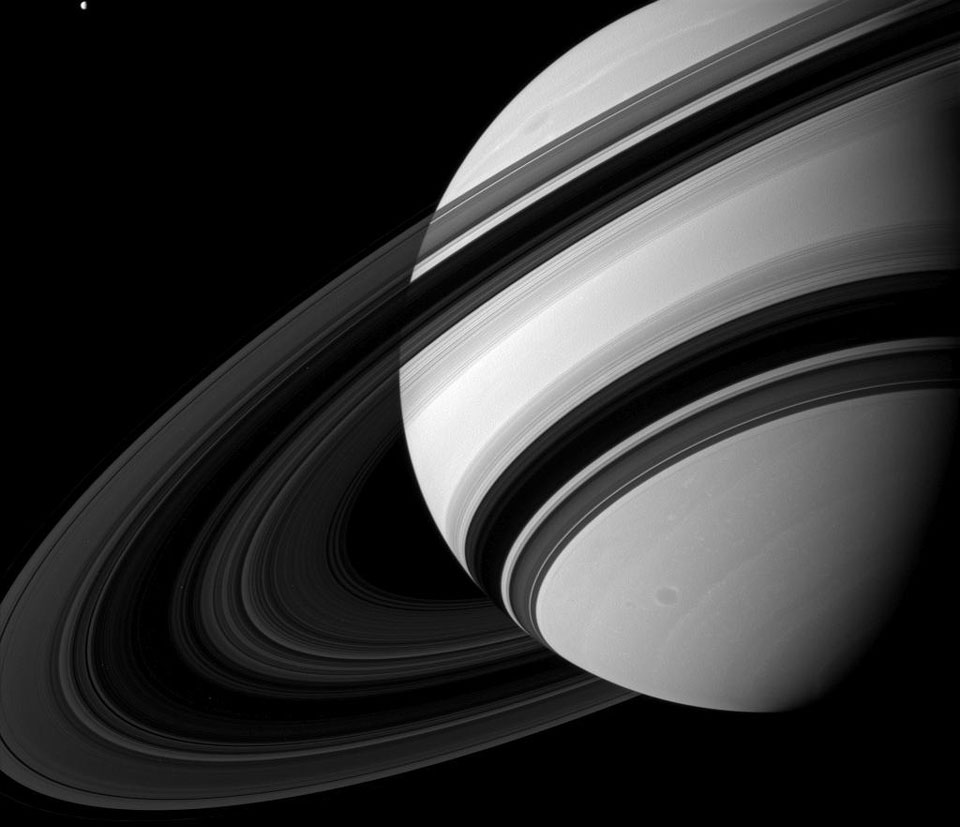
Friday, December 21, 2012
Apod 2.6
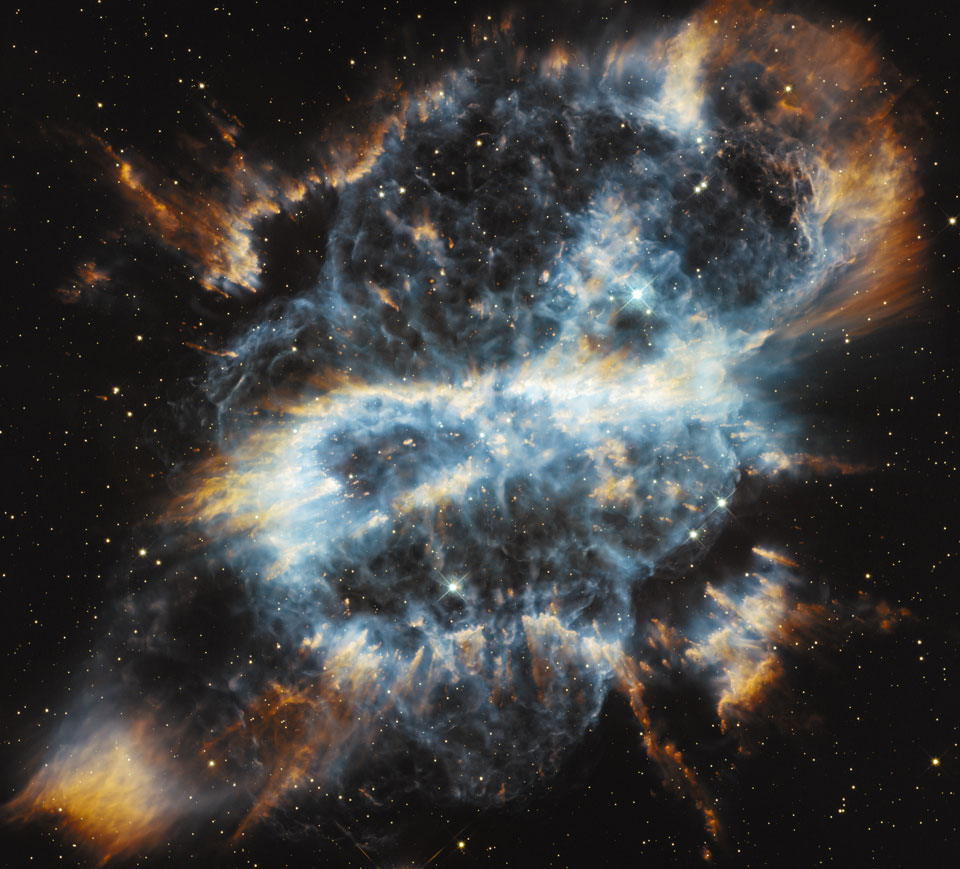
Thursday, December 20, 2012
Biography Sources
http://messier.seds.org/xtra/Bios/wcbond.html
http://www.britannica.com/EBchecked/topic/72793/William-Cranch-Bond
http://www.britannica.com/EBchecked/topic/72793/William-Cranch-Bond
Friday, December 14, 2012
Apod 2.5
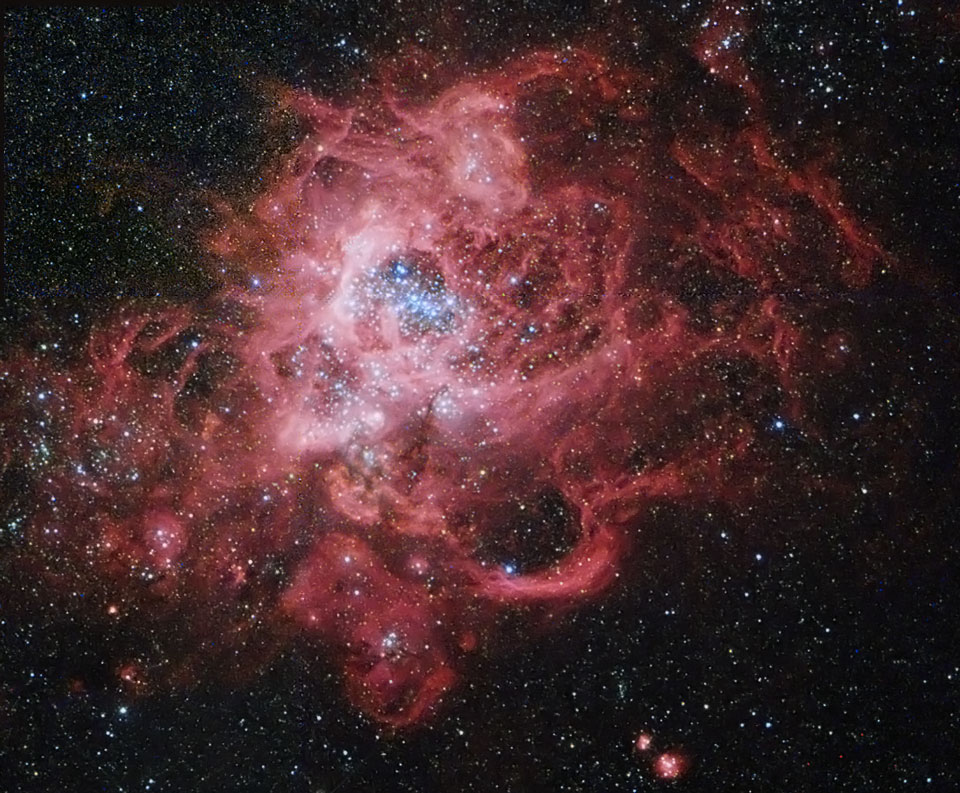
Friday, December 7, 2012
Apod 2.4
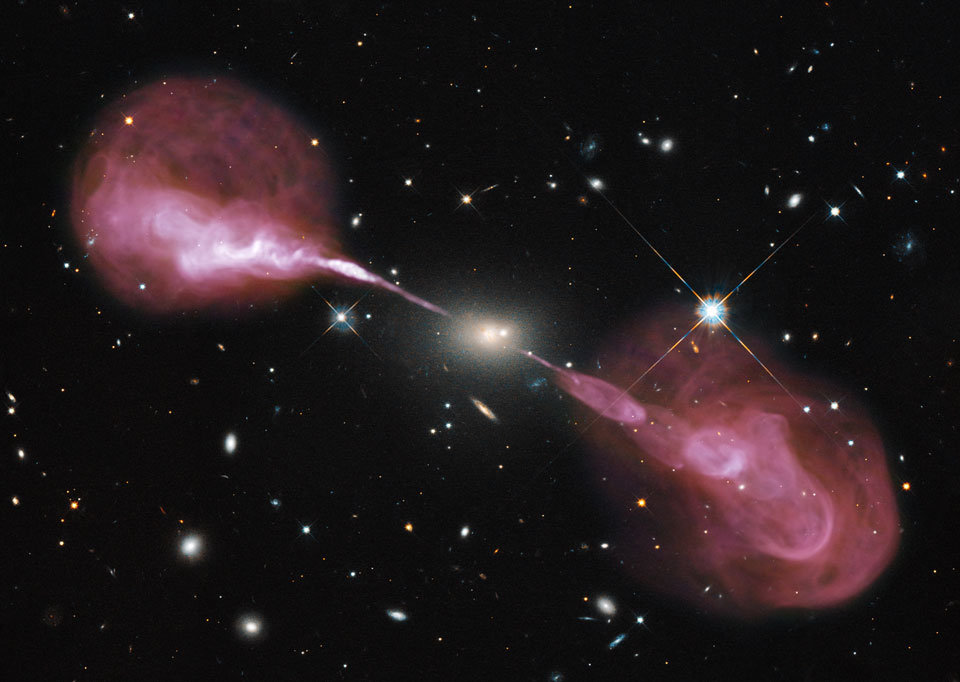
Tuesday, December 4, 2012
Subscribe to:
Posts (Atom)