Wednesday, February 13, 2013
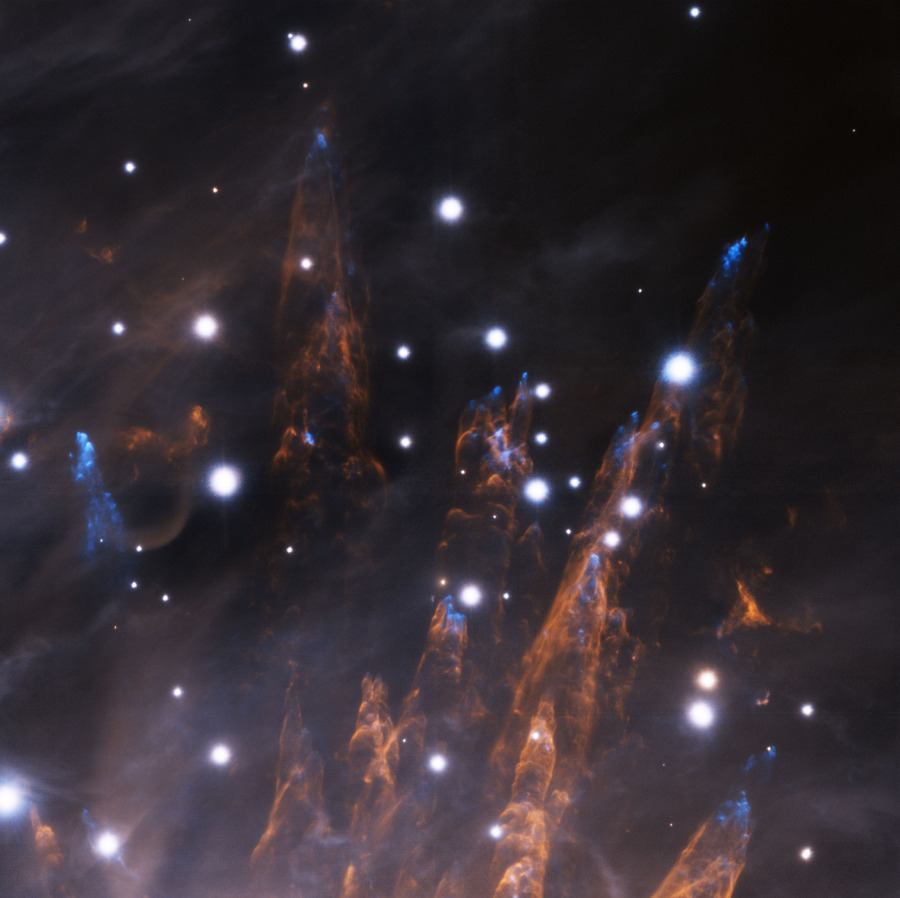
Apod 3.4

Apod 3.3
Apod 3.2
Monday, February 4, 2013

Friday, January 18, 2013
Apod 3.1
Sunday, January 13, 2013
Q2 Observation Log
December 9th - 7-9pm (Stargaze Session)
Location: Pine View
Viewing techniques used: Naked eye, binoculars, telescope
Saw:
Space Station and a shooting star
Multiple M objects
Jupiter and some of its moons
January 11th - 8-10pm
Location: Glebe Park
Viewing techniques used: Naked eye
Saw:
Orion
Taurus
Jupiter
I'm pretty sure I saw Mars too
January 13th - 7-9pm
Location: Glebe Park
Viewing Techniques used: Naked Eye
Saw:
Cetus, Pisces, Lacerta, Cassiopeia
Location: Pine View
Viewing techniques used: Naked eye, binoculars, telescope
Saw:
Space Station and a shooting star
Multiple M objects
Jupiter and some of its moons
January 11th - 8-10pm
Location: Glebe Park
Viewing techniques used: Naked eye
Saw:
Orion
Taurus
Jupiter
I'm pretty sure I saw Mars too
January 13th - 7-9pm
Location: Glebe Park
Viewing Techniques used: Naked Eye
Saw:
Cetus, Pisces, Lacerta, Cassiopeia
Friday, January 11, 2013
Apod 2.8
Subscribe to:
Posts (Atom)