http://www.astronomyquiz.info/a-z.html
Not all of these quizes are relevant, but some of them are helpful.
They're also a bit short.
http://www.factmonster.com/quizzes/constellation/1.html
http://www.softschools.com/quizzes/science/stars_and_constellations/quiz816.html
Thursday, November 29, 2012

Friday, November 9, 2012
Apod 2.2
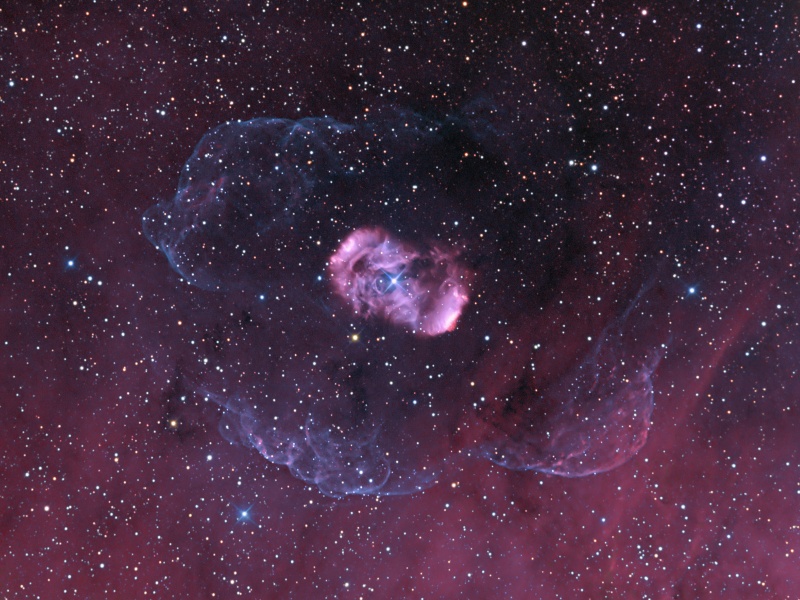
APOD 2.3
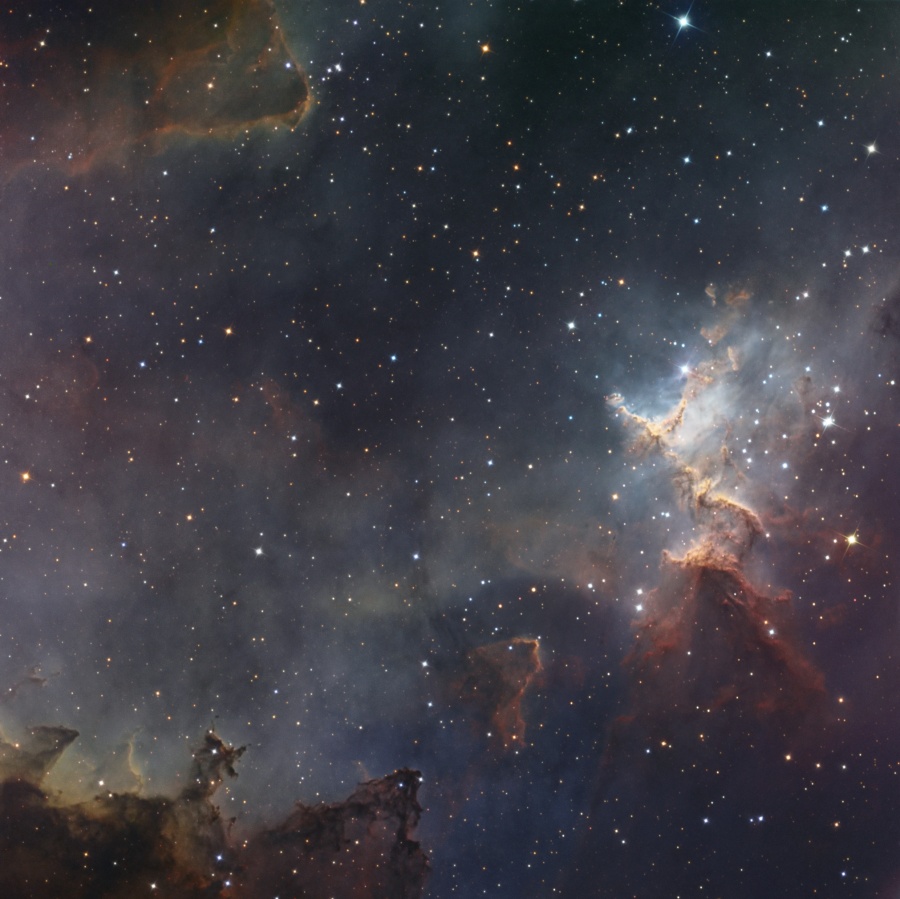
Friday, November 2, 2012
Apod 2.1
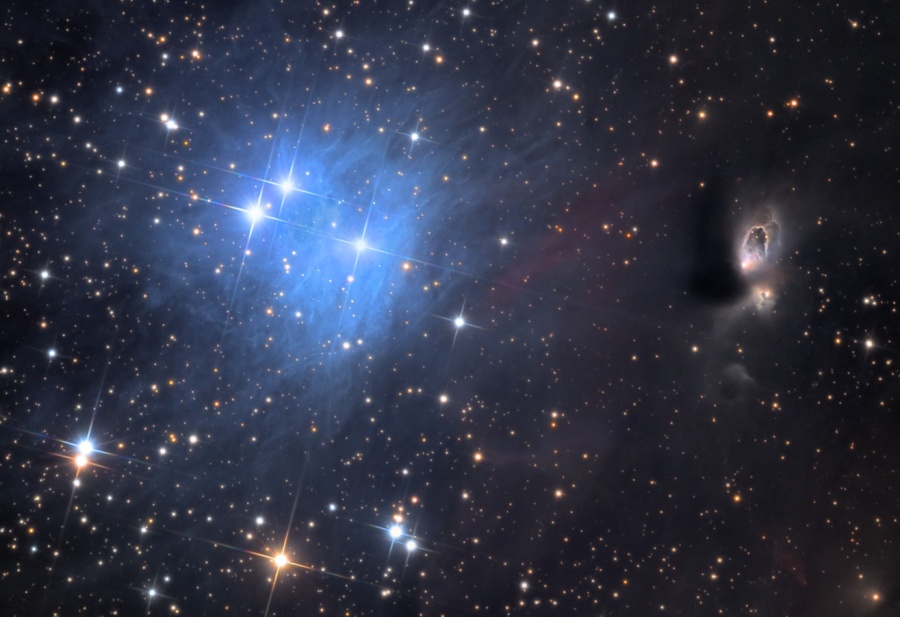
Sunday, October 21, 2012
Apod 1.8
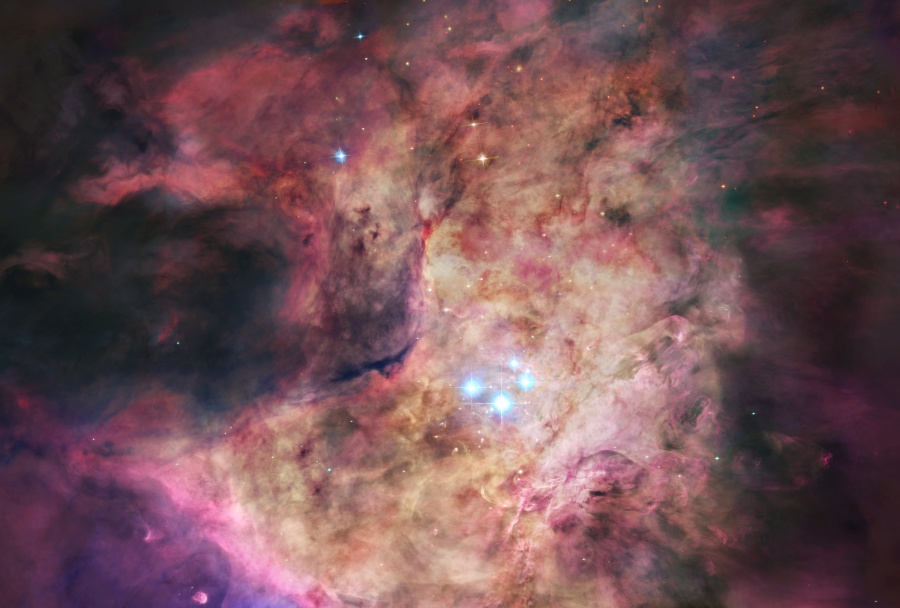
Apod 1.7
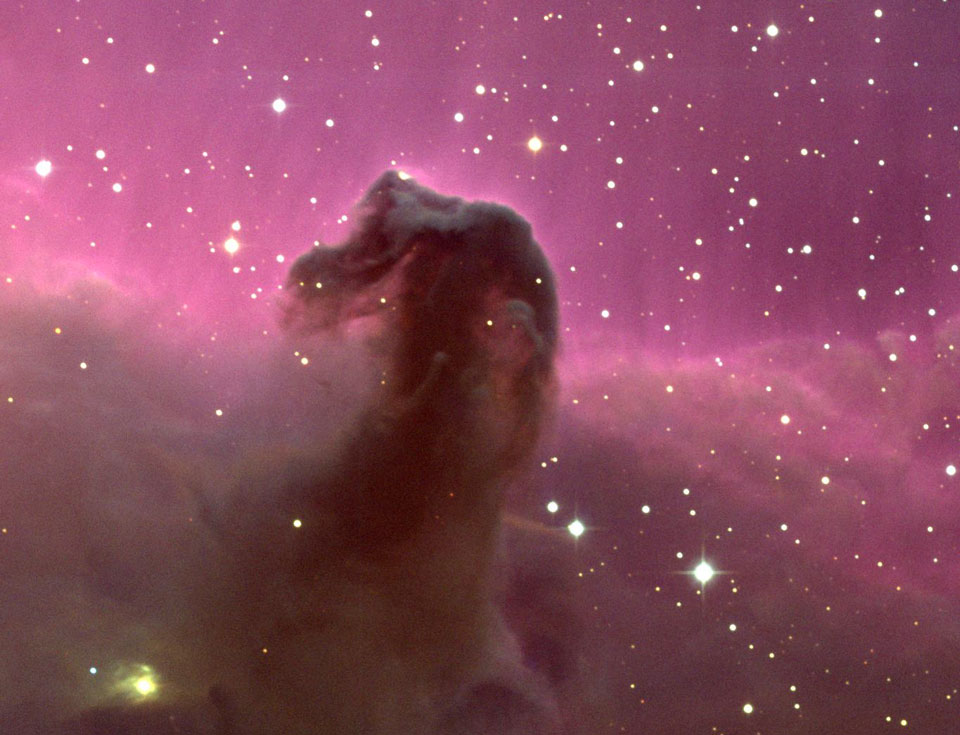
Observations
Date: October 10, 2012
Time: 8:00 - 10:00 PM
Place: Blackburn Point
Sky Conditions: Clear
Instruments: Mr. Percival's Telescope, Naked eye, Binoculars
Bright Stars noted: Vega, Deneb, Altair, Thuban
Constellations noted: Cassiopeia, Hercules, Pegasus, Aquila, Scorpius
Binary Stars: Epsilon Lyrae, Albireo
Other:
The Milky Way very faintly visible
International space station was seen for about 5 minutes
Date: October 12th, 2012
Time: 9:00 - 10:00 PM
Place: Siesta Key
Sky Conditions: Clear
Instruments: Naked Eye
Bright Stars: Polaris, Altair
Constelations: Aquila, Cassiopeia, Orion
Date: October 13th, 2012
Time: 6:00 - 7:00 AM
Place: Siesta Key
Sky Conditions: Clear
Instruments: Naked Eye
Tried to get some observations in before school. Jupiter was extremely bright and easy to see. Also saw Orion's belt and Polaris. Not much else was visible because of light polution.
Date: October 15th, 2012
Time: 9:00 - 10:00 PM
Place: Siesta Key
Sky Conditions: Clear
Instruments: Naked Eye
Bright Stars: Vega, Altair, and Deneb
Constelations: Cygnus, Lyra, and Aquila
Date: October 21st, 2012
Time: 2:00 - 3:00 AM
Place: Siesta Key (Glebe Park)
Sky Conditions: Clear
Instruments: Naked Eye
Watched Orionid Meteor Shower
Was able to see Orion, Jupiter, and Orion's belt.
Time: 8:00 - 10:00 PM
Place: Blackburn Point
Sky Conditions: Clear
Instruments: Mr. Percival's Telescope, Naked eye, Binoculars
Bright Stars noted: Vega, Deneb, Altair, Thuban
Constellations noted: Cassiopeia, Hercules, Pegasus, Aquila, Scorpius
Binary Stars: Epsilon Lyrae, Albireo
Other:
The Milky Way very faintly visible
International space station was seen for about 5 minutes
Date: October 12th, 2012
Time: 9:00 - 10:00 PM
Place: Siesta Key
Sky Conditions: Clear
Instruments: Naked Eye
Bright Stars: Polaris, Altair
Constelations: Aquila, Cassiopeia, Orion
Date: October 13th, 2012
Time: 6:00 - 7:00 AM
Place: Siesta Key
Sky Conditions: Clear
Instruments: Naked Eye
Tried to get some observations in before school. Jupiter was extremely bright and easy to see. Also saw Orion's belt and Polaris. Not much else was visible because of light polution.
Date: October 15th, 2012
Time: 9:00 - 10:00 PM
Place: Siesta Key
Sky Conditions: Clear
Instruments: Naked Eye
Bright Stars: Vega, Altair, and Deneb
Constelations: Cygnus, Lyra, and Aquila
Date: October 21st, 2012
Time: 2:00 - 3:00 AM
Place: Siesta Key (Glebe Park)
Sky Conditions: Clear
Instruments: Naked Eye
Watched Orionid Meteor Shower
Was able to see Orion, Jupiter, and Orion's belt.
Subscribe to:
Posts (Atom)